The "SaaS Apocalypse" Never Came. Now the Winners Are Emerging
September 14, 2026

September 14, 2026
Five months after fears of a “SaaS apocalypse” hit the software sector, the market has rebounded sharply. The BVP Nasdaq Emerging Cloud Index is up around 70% from its April 10 low and is this month at its highest level since the beginning of 2025. The index has outperformed both the Nasdaq and the S&P 500 year to date.
But the rebound tells only half the story.
Over the winter, many investors feared AI would erode software value, prompting several asset managers to reduce their exposure to the sector. We argued that the market was painting all software companies with the same brush, and that AI would not affect them equally. Companies with critical data, deep integrations, and central positions in their customers' workflows could emerge stronger.
That distinction is now beginning to show.

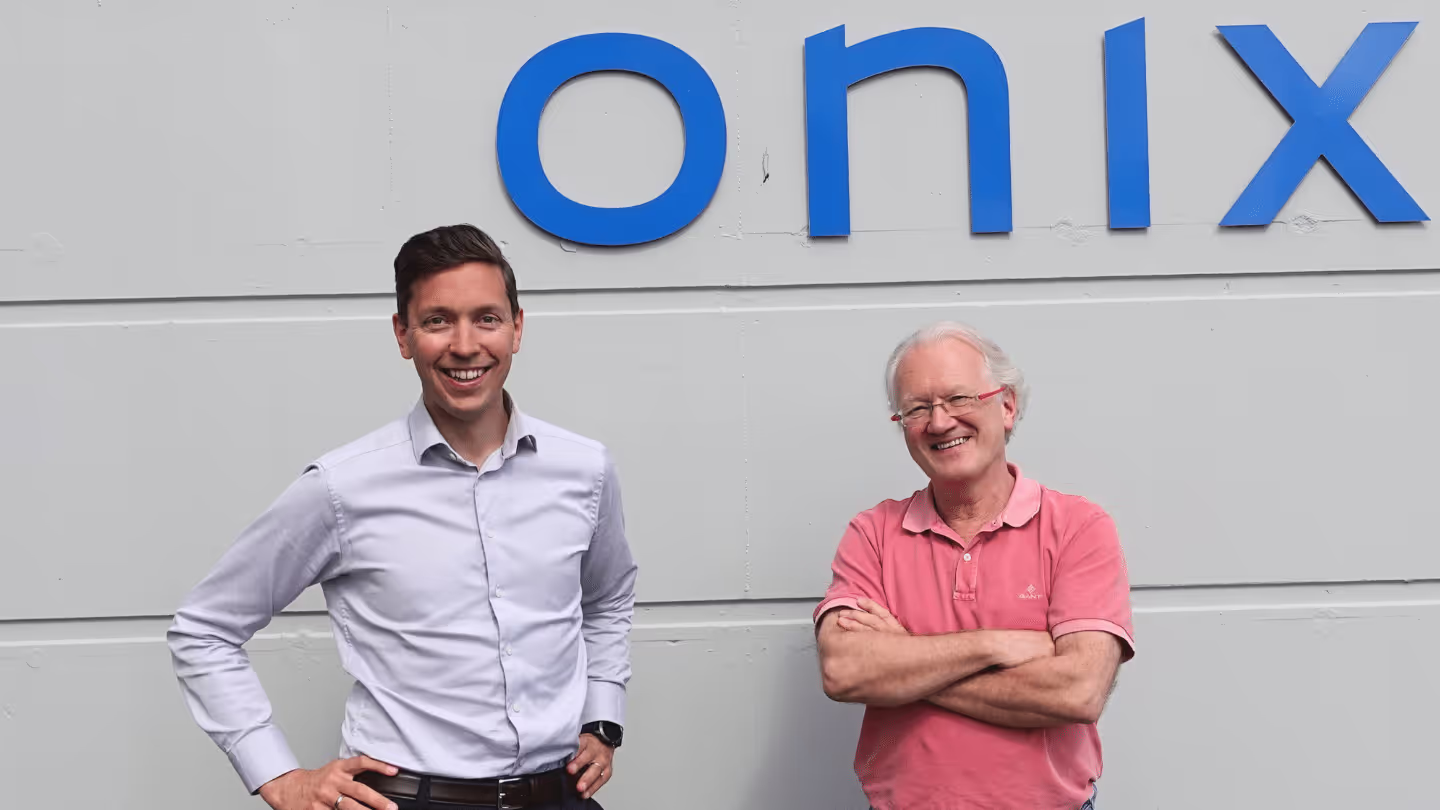
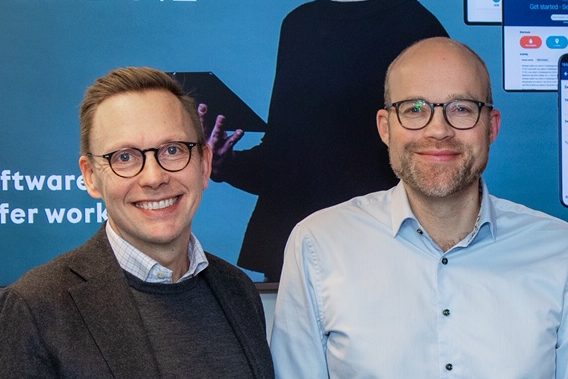
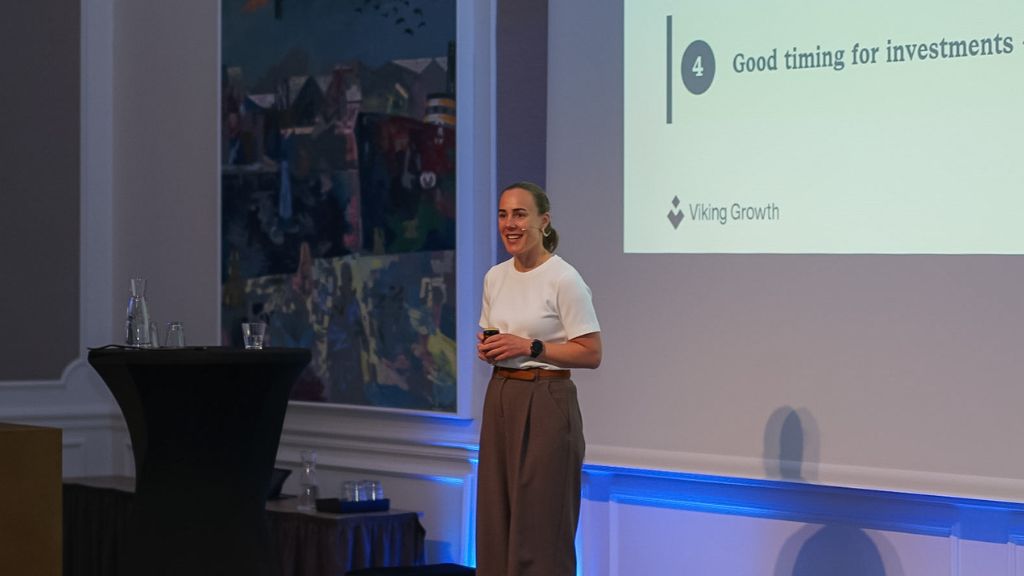
Erik Fjellvær Hagen, Managing Partner at Viking Growth
While many feared that artificial intelligence would eat into the software market, we argued that AI could make the market significantly larger.
The distinction we highlighted in February, and explored further in our March webinar, “AI's Impact on Software: Risk or Opportunity?”, comes down to where software companies sit within their customers' businesses.
Companies that control "systems of record", which are the systems where an organization's most critical data and workflows reside, are, in our view, in a much stronger position in the age of AI than companies providing functionality that is easier to replace.
“AI does not eliminate the need for software. It changes where value is created. Companies whose software safeguards critical data and supports core workflows are in a fundamentally different position from those providing functionality that can more easily be copied or replaced," says Erik Fjellvær Hagen, Managing Partner at Viking Growth.
At the same time, the opportunity extends far beyond today's software market. The global software market is worth around $1.2 trillion. With AI, software can create significantly more value than it does today. AI agents built on traditional software can perform work previously done by employees or service providers.
This expansion of the addressable market is why we see AI as an opportunity for the right software companies, not merely a threat. Software can increasingly address parts of the labor and services market, which PwC estimates is more than 50 times the size of today's software market.
AI can also introduce significant risks for customers, particularly around security. This is another reason established software companies are well positioned to deliver trusted AI solutions: they can build on existing customer relationships and trust while leveraging the sales and delivery capabilities they already have.
Roughly half of the companies in the BVP index are up year to date, while the other half are down. Only a handful are roughly flat.
Among the companies that have performed strongly this year are several with precisely the characteristics we highlighted earlier: critical data, deep integrations and central positions in customer workflows. Snowflake and CrowdStrike are two examples.
Five months of share-price performance does not, of course, settle the long-term debate about AI. But developments so far support the distinction we made: AI is not affecting the entire software sector in the same way.
“Over the winter, much of the software sector was priced as though AI represented a structural threat to the entire industry. What we are seeing now is greater differentiation. The market is beginning to price in the quality of the data, how critical the solution is to the customer and how difficult it is to replace. That is precisely where we believe the long-term winners will be found,” says Fjellvær Hagen.
In the Nordics, the repricing has so far been less pronounced. The listed Nordic SaaS universe is relatively small and thinly traded, which can make pricing less efficient. At the same time, several acquisitions have been completed at substantial premiums to prevailing share prices. This could point to a gap between public-market valuations and the value that strategic and financial buyers see in certain companies.
The best software companies may only be beginning to capture AI's potential. Over time, we expect them to expand into new markets, creating opportunities for significant growth in both revenue and earnings. The full impact on valuations may not become apparent until the broader market sees that potential reflected in companies' financial results.
For companies that already control critical data and workflows, AI can do more than make existing products more efficient. It can automate tasks that previously required manual work, expand the scope of existing products, and create entirely new revenue streams.
That is why the debate over whether "SaaS will survive AI" misses the more important question.
The real question is which companies can use AI to expand their addressable markets while maintaining control over critical data, workflows, and customer relationships.
That is what we mean by SaaS 2.0, and it is where we believe the next major wave of value creation in software will take place.

Kongens gate 8, 7011 Trondheim
© Viking Growth 2025


.jpg)



.png)