When Viking Growth comes in, the CFO gets a bigger job
May 11, 2026

May 11, 2026
For many founders, a growth investor is primarily about capital. For the CFO, it means something else too: the start of a far more demanding professionalization of the company.
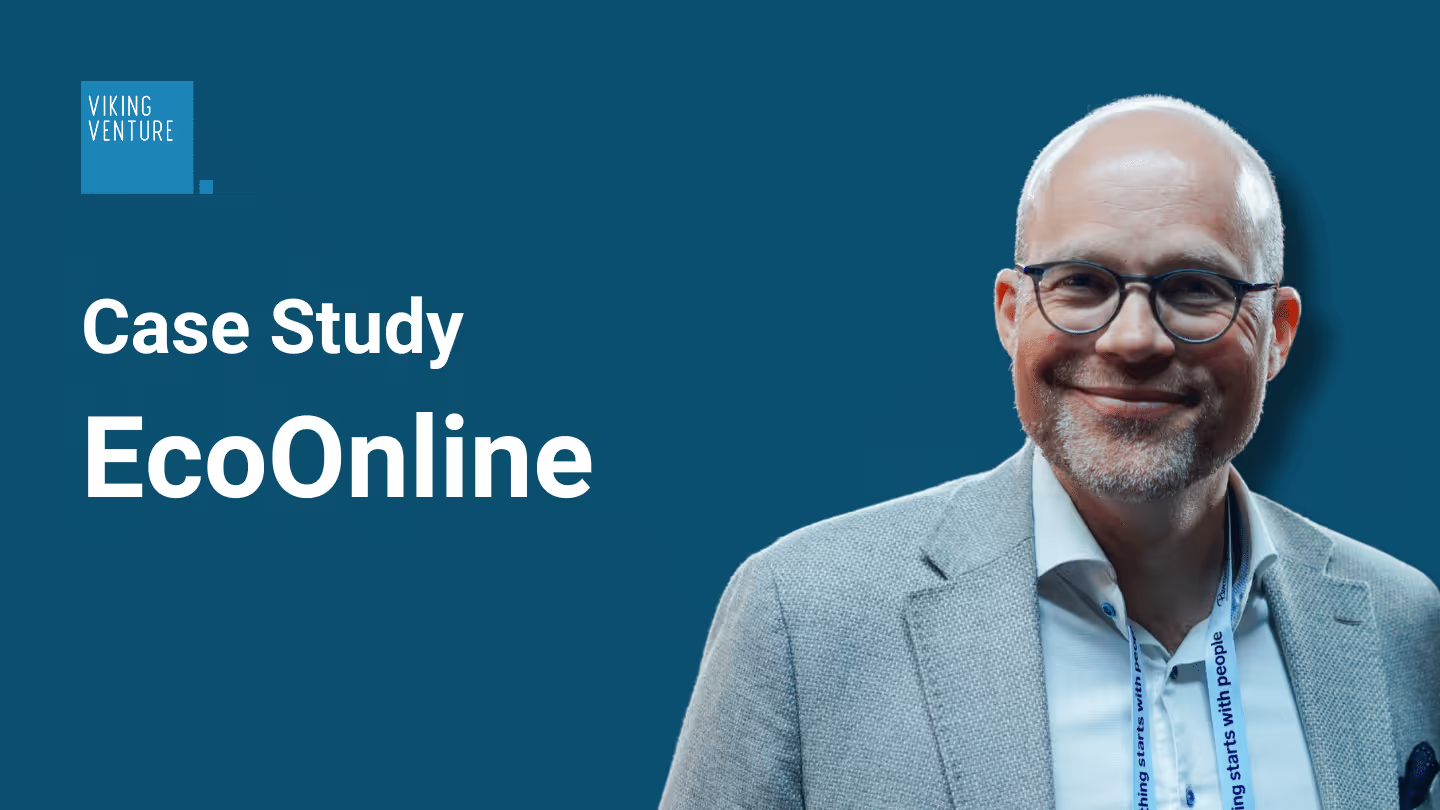
Økonomi24 interviewed Eivind Bergsmyr, Partner at Viking Growth, about how the CFO role changes as companies scale. Here’s a recap from the interview:
Bergsmyr says Viking Growth typically gets involved when a software company has proven that customers want the product, but before the organization is fully built.
- We tend to get interested around 30 million in recurring revenue. By then, the company has come a long way, has customers who love the product, and has demonstrated that a market exists, he says.

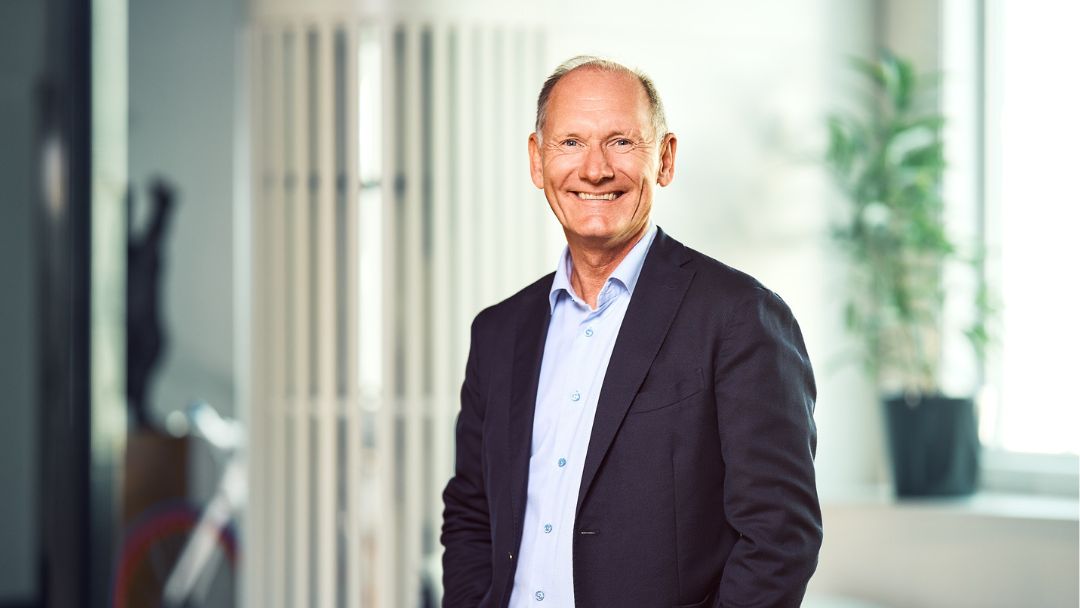
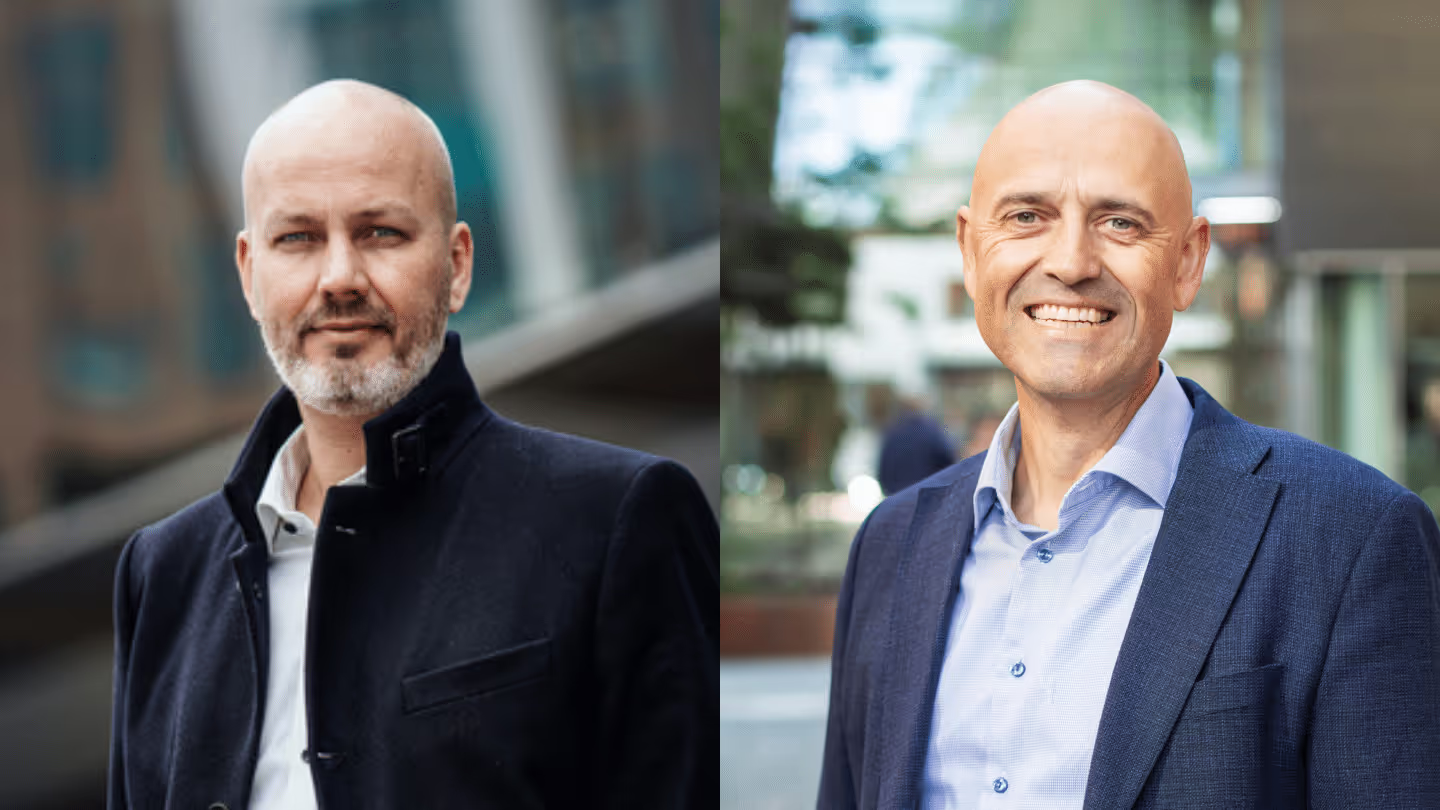
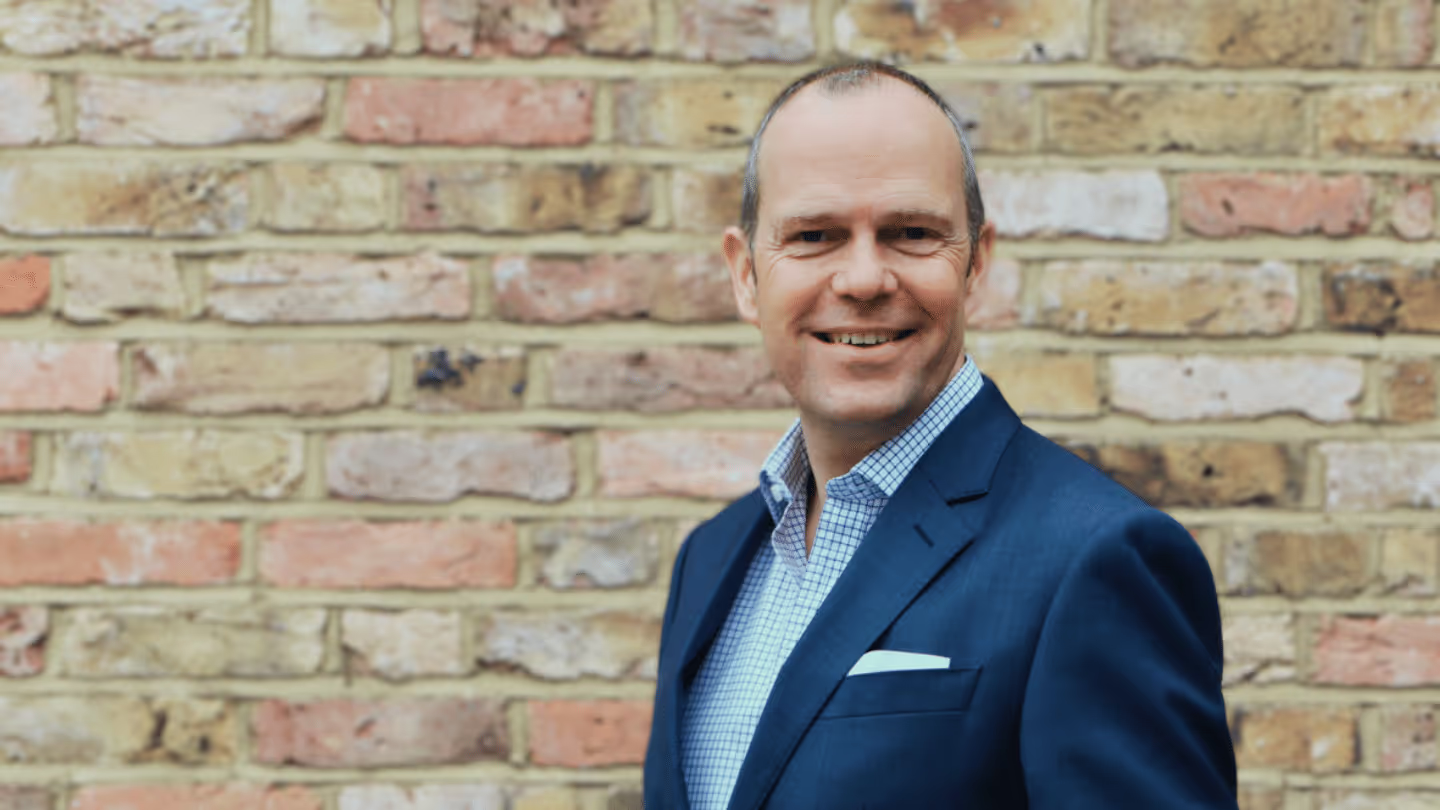
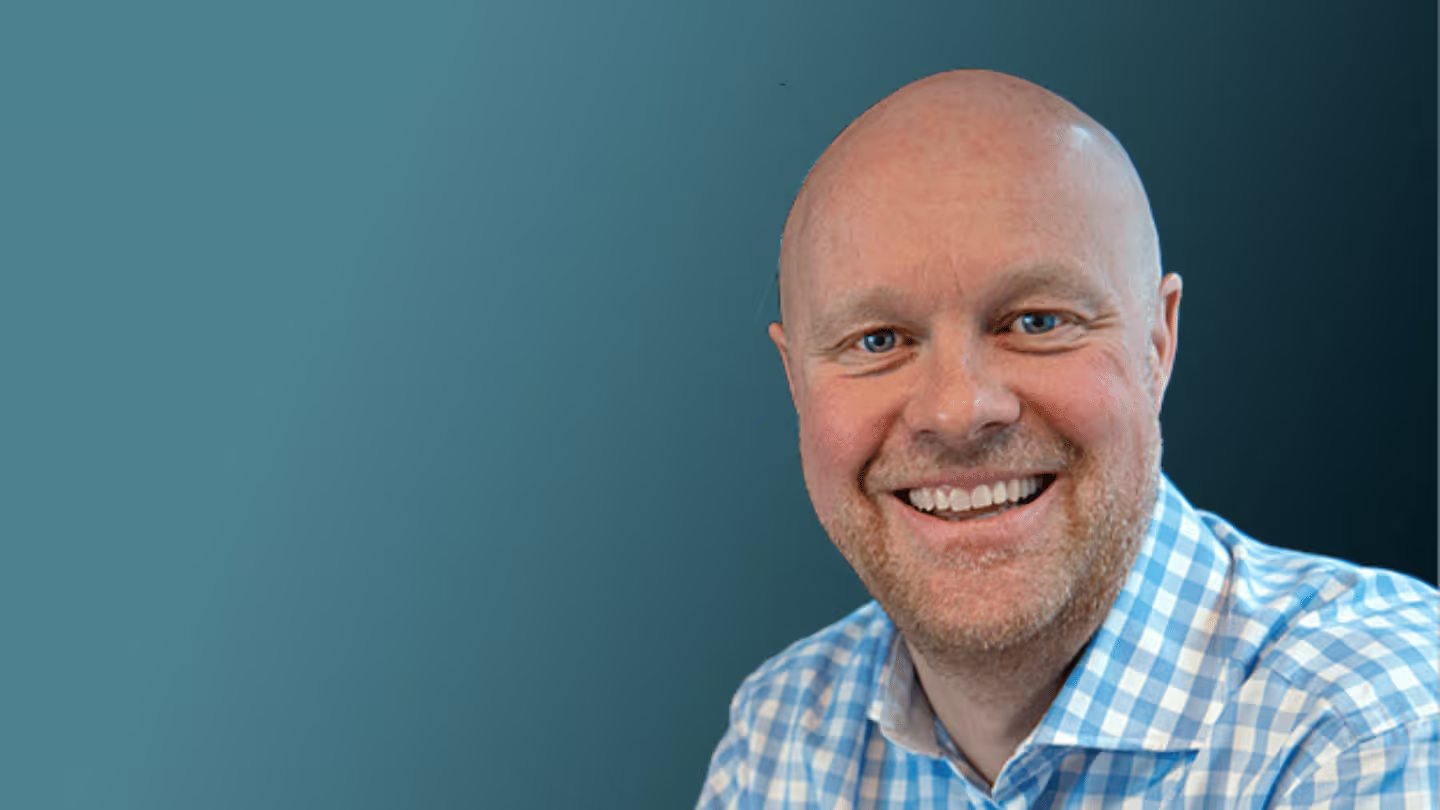
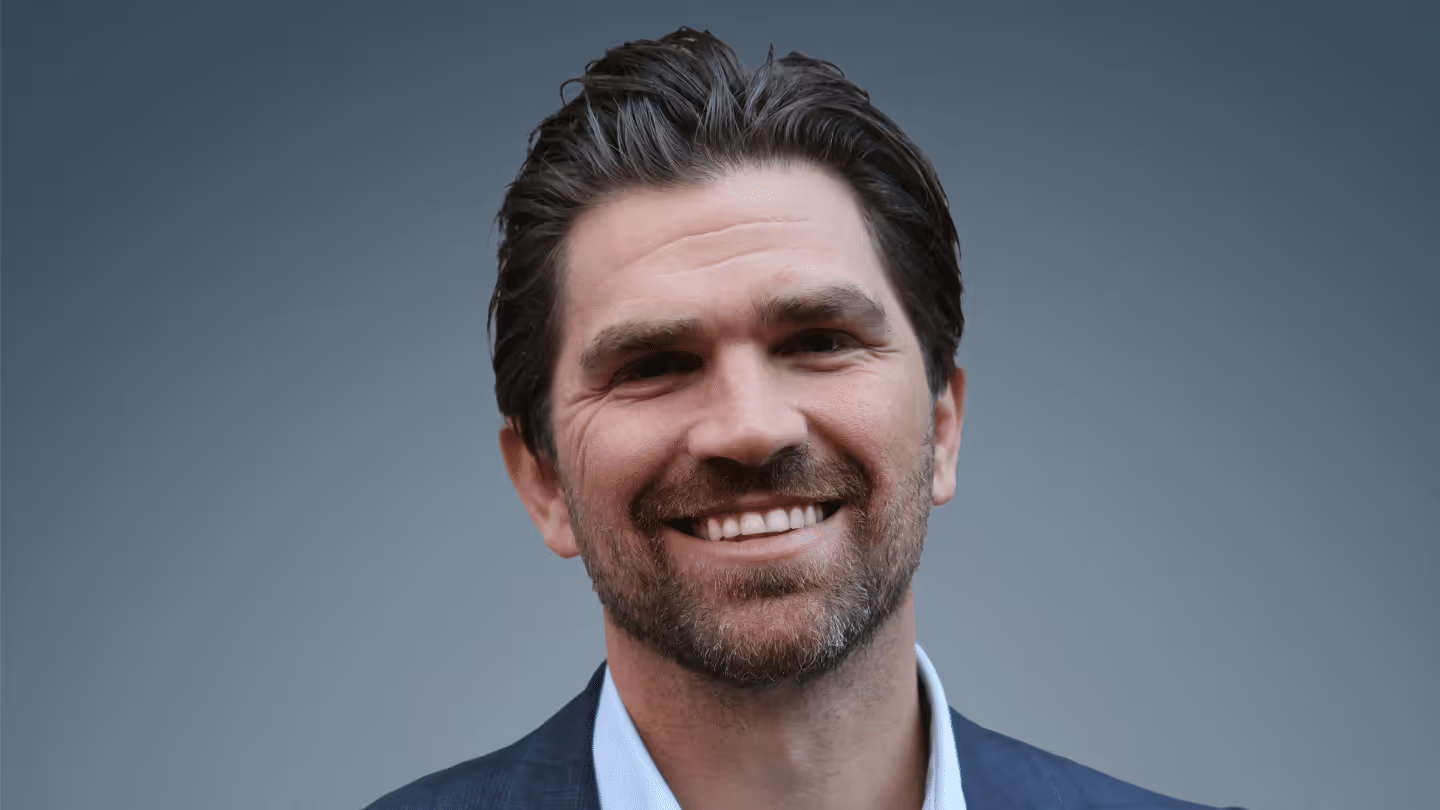
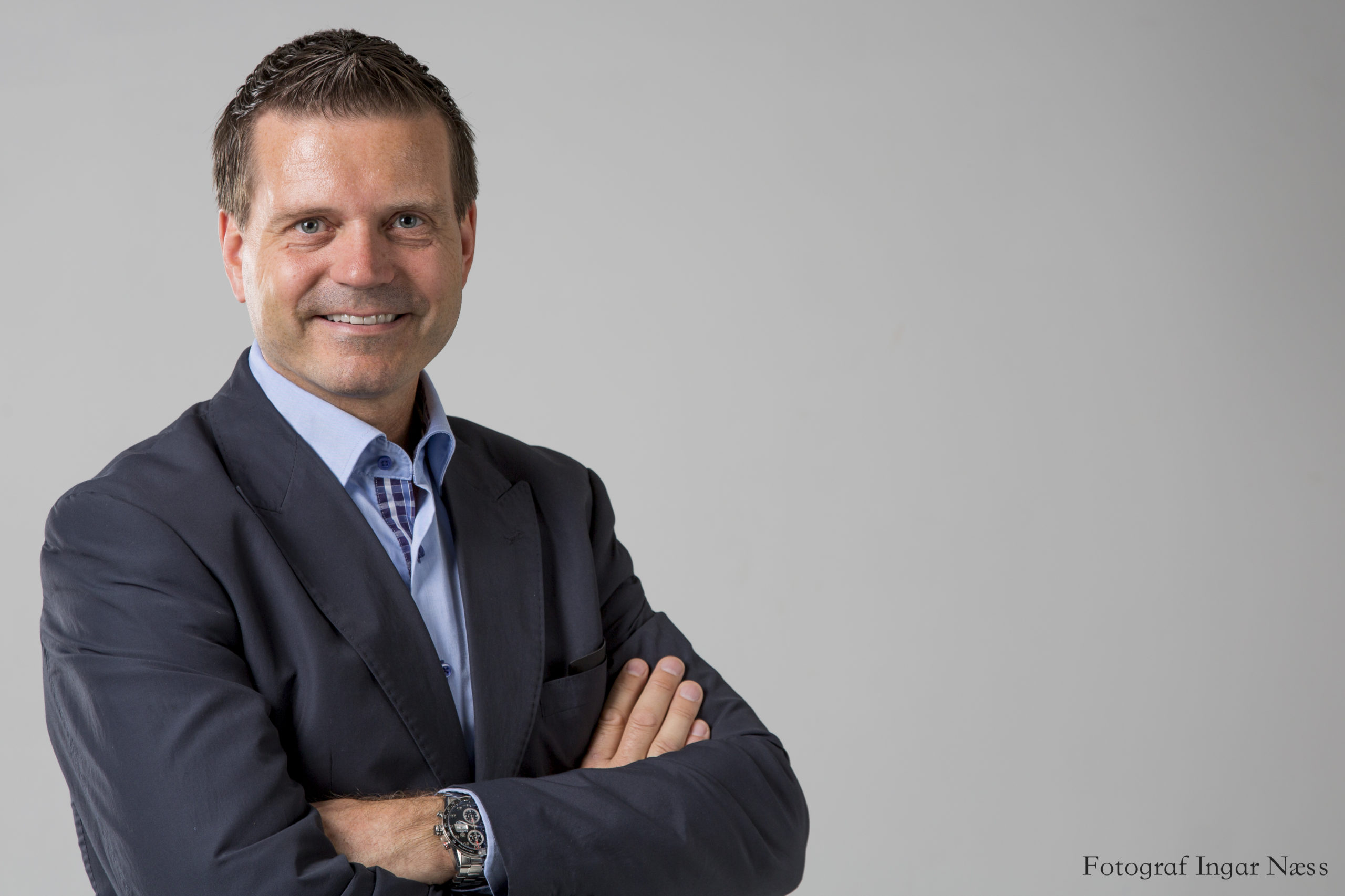
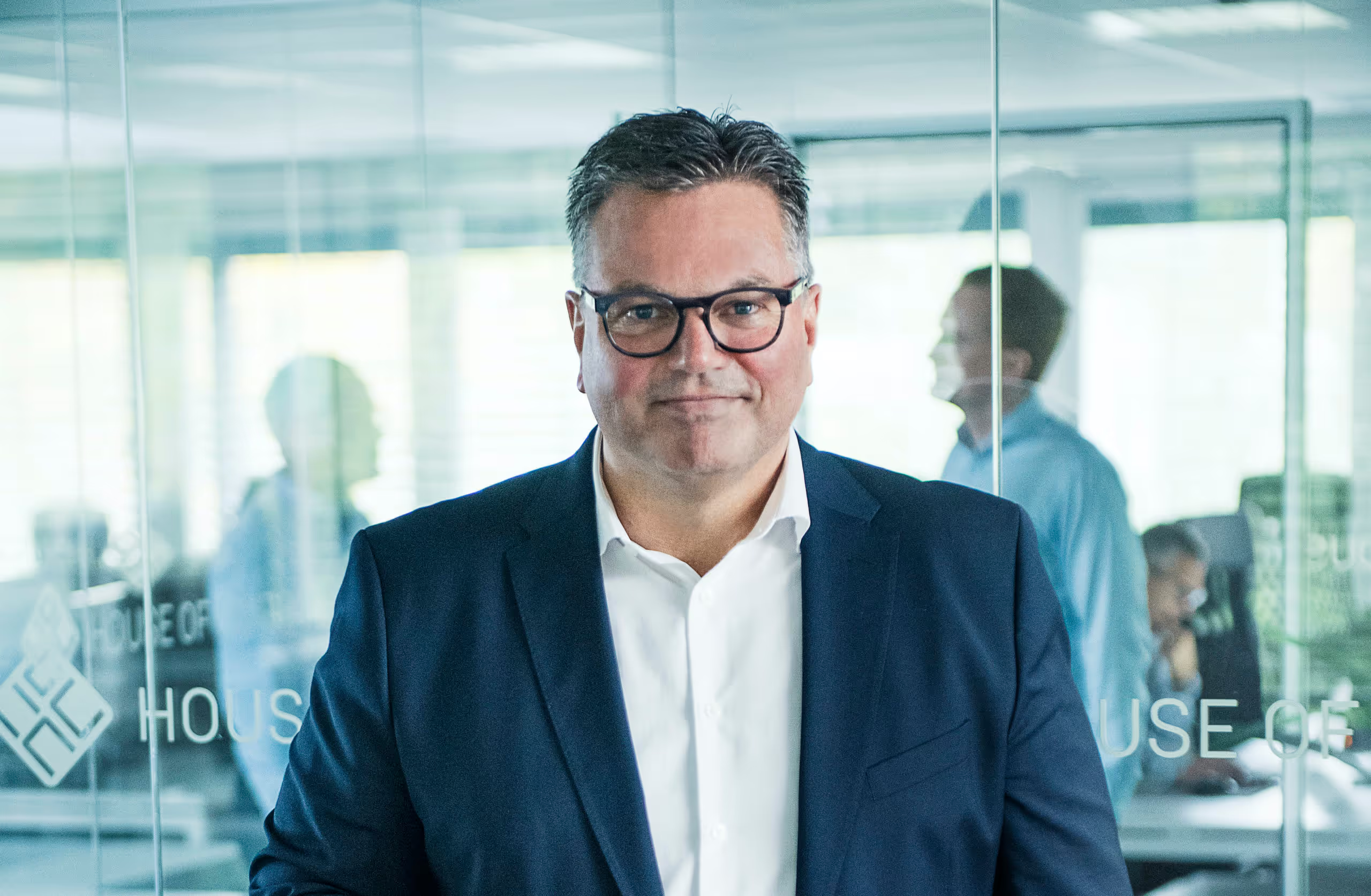
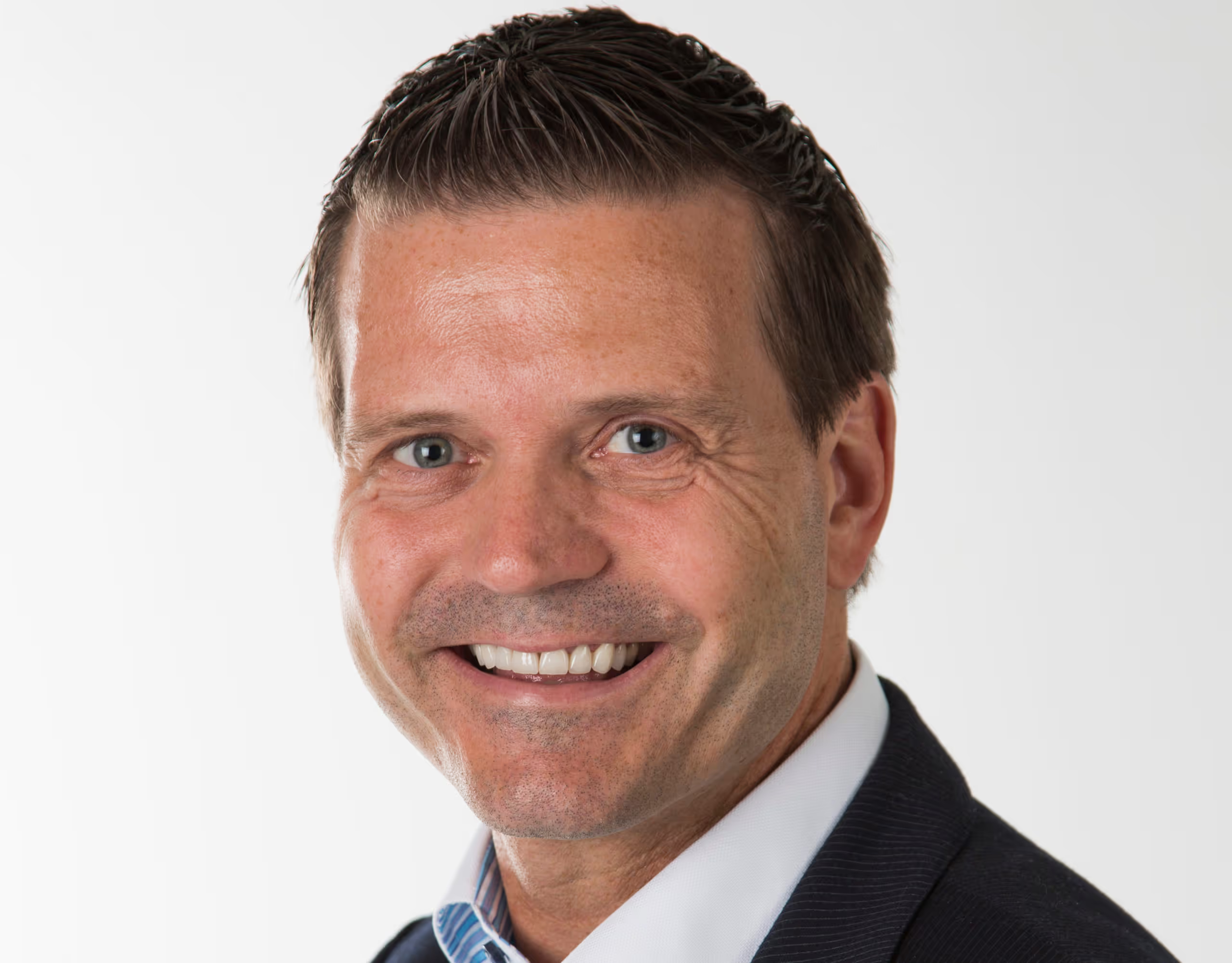
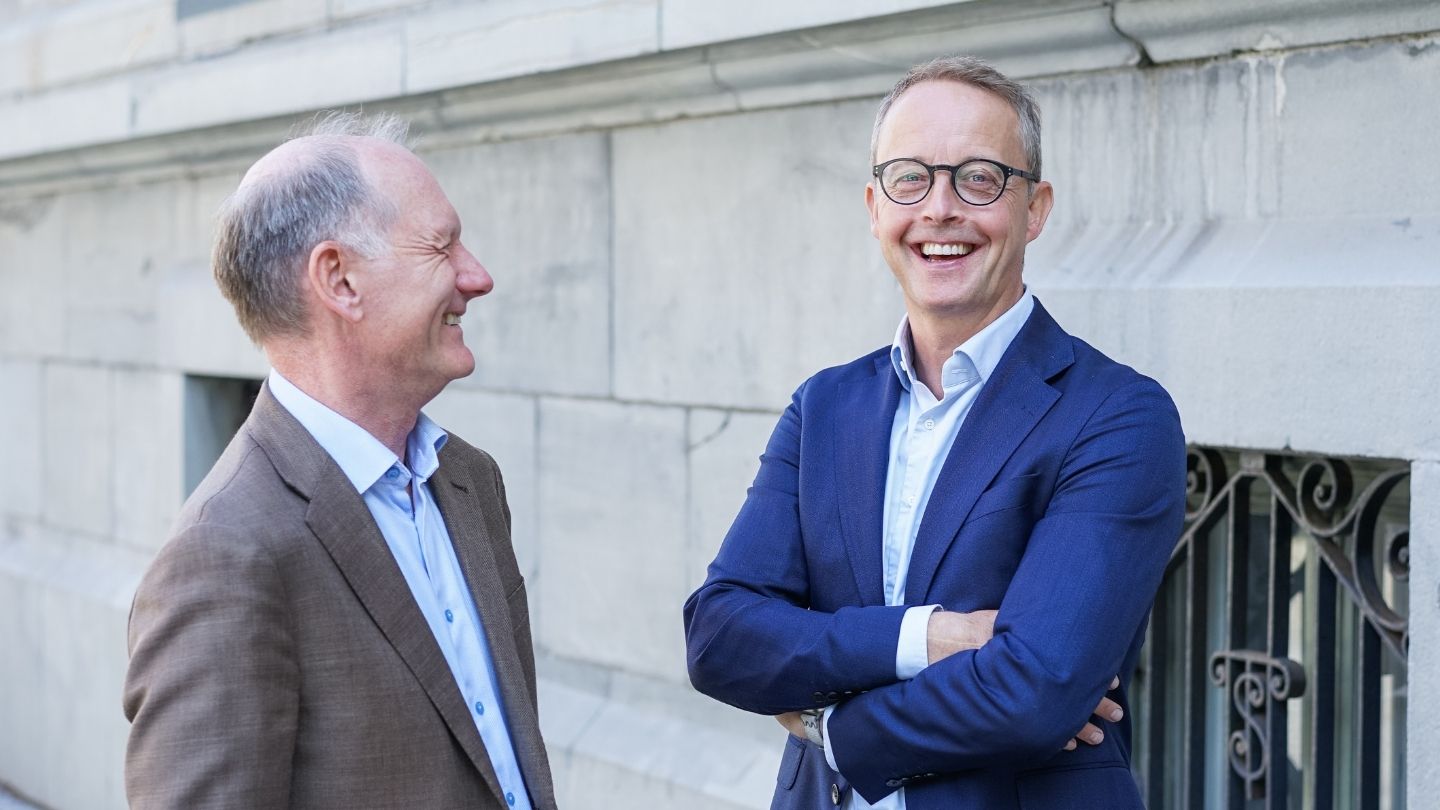
Eivind Bergsmyr, Partner at Viking Growth
At this stage, the company is often still shaped by what Bergsmyr calls "magical sales" and "magical management." A few individuals know the product, the customers, and the market so well that they make things happen. But that's not necessarily scalable.
- The founder may have been instrumental in product, sales, or both. The job then is to take the company from 30 million to 150–200 million in a way that isn't dependent on those same individuals, he says.
For the CFO, this means the role quickly shifts from a control function to a growth function. The numbers don't just need to add up — they need to be used to understand where the company should invest, how it should price, and which growth moves actually generate returns.
- In this type of company, you need a very strong command of the numbers. There's a lot of analysis required to understand where to invest and what return you're getting on your money, Bergsmyr says.
The first thing Viking Growth typically focuses on is growth strategy. Which segments to prioritize? Who the ideal customer is. Whether the company should grow in its home market, expand internationally, or use acquisitions to accelerate growth.
The next question is often pricing. Many young SaaS companies have prices that came about largely by accident. A founder suggested a number in a customer meeting, met little resistance, and it stuck.
- A lot of companies struggle to charge what they're worth. They don't have a good enough understanding of the value they deliver to customers, and how that value relates to the price they're charging, Bergsmyr says.
For a CFO, this is one of the most tangible areas for value creation. A price increase can fund product development, sales, or internationalization without dilution — but it requires the company to understand willingness to pay, contracts, discounts, and customer value.
- The cheapest funding a founder or CEO can get is the funding their customers give them. If you can raise prices by 20, 50, or 100 percent, that's free financing for further growth, he says.
Bergsmyr also warns against treating pricing as a one-off project. New products, new functionality, and AI are changing what customers actually pay for. The pricing model and value logic need to evolve with it.
- In the AI discussion, we're seeing the world move away from pure seat-based pricing. If employees are being replaced by agents, you need to think differently: how do we get paid for the value we actually create, he says.
Then comes sales. Many companies have one or two people who sell exceptionally well. The problem arises when the assumption is that the next hire will automatically perform at the same level. They rarely do without structure.
- To scale sales, you need to be able to hire an average salesperson and make them succeed. That requires process, training, a team, and KPIs — not just talent, Bergsmyr says.
This is where the CFO becomes central. What does it cost to win a customer? How long will it take for the sales investment to pay back? How productive are new salespeople at three, six, and twelve months? How much growth is actually profitable?
- KPIs matter a lot for the CFO. CAC payback is a good example. If you spend one krone to acquire a customer, how long does it take to get it back? he adds.
Viking Growth tracks around 15 KPIs on an ongoing basis across its portfolio companies. Companies can also benchmark themselves against the rest of the portfolio, making reporting more useful and revealing.
- A company might have 15 percent organic growth and wonder whether that's good or bad. We can compare against other Viking companies and have a much more precise conversation, he says.
For companies considering Viking Growth as an investor, the advice is clear: have your numbers under control before the conversation starts. Not necessarily perfect dashboards, but enough structure that an investor can understand revenues, customers, growth, and the cost base.
When Viking Growth invests, it's not uncommon for the company to have no CFO in place. Recruiting a finance lead then becomes one of the most important early tasks. The role isn't just about accounting — it covers forecasting, cash management, board work, financing, and strategy.
- The CFO typically becomes a very integrated part of the leadership team. Highly trusted by the CEO, a clear face to the board, and a key point of contact for us as investors, Bergsmyr says.
As the company grows, complexity increases. Perhaps the company acquires three businesses. Perhaps it gains employees across multiple countries. Perhaps the CFO has to manage cash, reporting, accounting, and financing across geographies.
- It's one thing to have control at 30 million in recurring revenue. It's a different matter when you've made three acquisitions and are approaching 200 million, he says.
Acquisitions are an important part of the toolkit. Bergsmyr notes that Viking Growth has completed around 70 acquisitions across its portfolio companies over the past four to five years — to access new markets, add complementary technology, or strengthen market position.
Financing becomes a CFO topic. Equity is one source. Price increases and advance payments from customers are another. Debt can also be relevant, particularly for acquisitions of profitable companies with predictable cash flow.
- We would never use debt financing on high-risk projects. But where the risk is manageable — often in connection with acquisitions — debt can be an interesting instrument, he says.
Finally, exit. For the CFO, preparation begins long before the company is actually sold. Track record, contracts, business plans, reporting, data rooms, and KPI documentation all need to be in order before buyers start asking questions.
- The CFO is often responsible for the data room. Contracts, business plans, and historical data need to be clean. You get scrutinized from every angle, he says.
What kind of CFO fits in a Viking Growth company? Bergsmyr points to two common backgrounds: audit and accounting combined with strong business acumen, or management consulting paired with financial depth. But personality and willingness to learn matter at least as much.
- A good CFO has deep knowledge of finance and economics, is commercially oriented, has a strong mind, and wants to keep learning. And they need to be proactive — someone who makes things happen, he says.
For CFOs considering whether Viking Growth might be the right investor: this is an investor that gets close. That means more work, more transparency, and higher expectations. But also more sparring, more structure, and a real chance to build something larger.
- We're looking for people who do more than their defined job. In companies like these, you can't have specialists for everything. You need to know when you can solve it yourself, and when you need to bring in proper expertise, he concludes.

"When Viking Growth comes in, the CFO has to be comfortable becoming important." Read the full article in Økonomi24 [In Norwegian]
Read the full article
Kongens gate 8, 7011 Trondheim
© Viking Growth 2025



.jpg)


.png)