AI doesn't change the fundamentals of pricing
June 11, 2026

June 11, 2026
Nordic B2B SaaS companies are quickly adding AI to their products. In our work with portfolio companies, we often see pricing lagging. The principles haven't changed, but AI makes it much harder to avoid the questions we've been putting off.
Here’s what we’re noticing and how we’re applying it to our pricing work moving forward.
Some people say AI completely changes pricing models. We don’t fully agree with that.
Value-based pricing, charging for what you actually deliver, not just access, has always been the right place to start. What’s different with AI is what creates value and how clearly you need to show it.
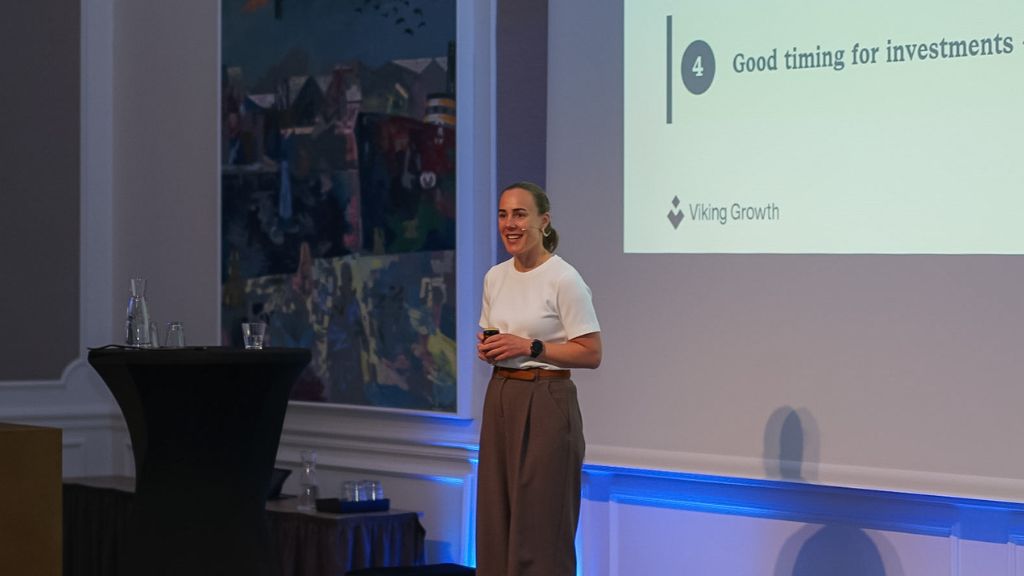
Ingvild Farstad, Head of Operational Excellence at Viking Growth
The core questions are the same as they've always been:
AI just makes these questions tougher to ignore. If an AI agent does the work of three employees, you can’t price it like a single user license. The solution is the same as always: know the value you deliver and build a pricing model that matches it.
AI-driven products range from simple assistants to fully autonomous agents. Pricing usually shifts from charging per user, to per activity and then to actual outcomes. The closer your price matches real business results, the better the fit between price and value, and the more customers are willing to pay.
Three approaches we're seeing right now:
A hybrid model combining a fixed subscription with usage- or outcome-based pricing for AI features is a good place to start. It gives both sides predictability and lets you capture value from your results. Don’t forget to include the cost of running your AI products in your pricing.
These points matter whether you’re pricing AI or not, but AI makes them even more important.
It’s a mistake to wait until you fully understand the value of your AI before charging for it. If you’re delivering real value but not pricing for it, your margins are shrinking without you noticing.
Treat your first pricing as a test you’ll improve over time, just like you would with product development. The Nordic companies that succeed aren’t always the ones with the perfect model. They’re the ones who start early, learn from sales conversations, and adjust as they go.
At Viking Growth, pricing is one of the first things we tackle with new portfolio companies. AI is making this work both more urgent and more interesting. We don’t have all the answers, but we’re learning quickly alongside the companies we invest in.
This piece was originally published in Norwegian by Shifter, interviewing Ingvild Farstad, Head of Operational Excellence at Viking Growth.

Kongens gate 8, 7011 Trondheim
© Viking Growth 2025



.jpg)



.png)