

Mercell is the leading European digital platform for public procurement and tender management, connecting public-sector buyers with suppliers across multiple markets.
ARR: NOK 85m to 838m
Enterprise Value at exit: NOK 4.8bn
Period: 2018–2022
EV Growth: 27 X
Outcome: Public-to-Private sale to Thoma Bravo at a 110% premium
When Viking Growth became the largest shareholder in 2018, Mercell was already a leading Nordic player. The strategy focused on building Europe’s top procurement marketplace through mergers and acquisitions.
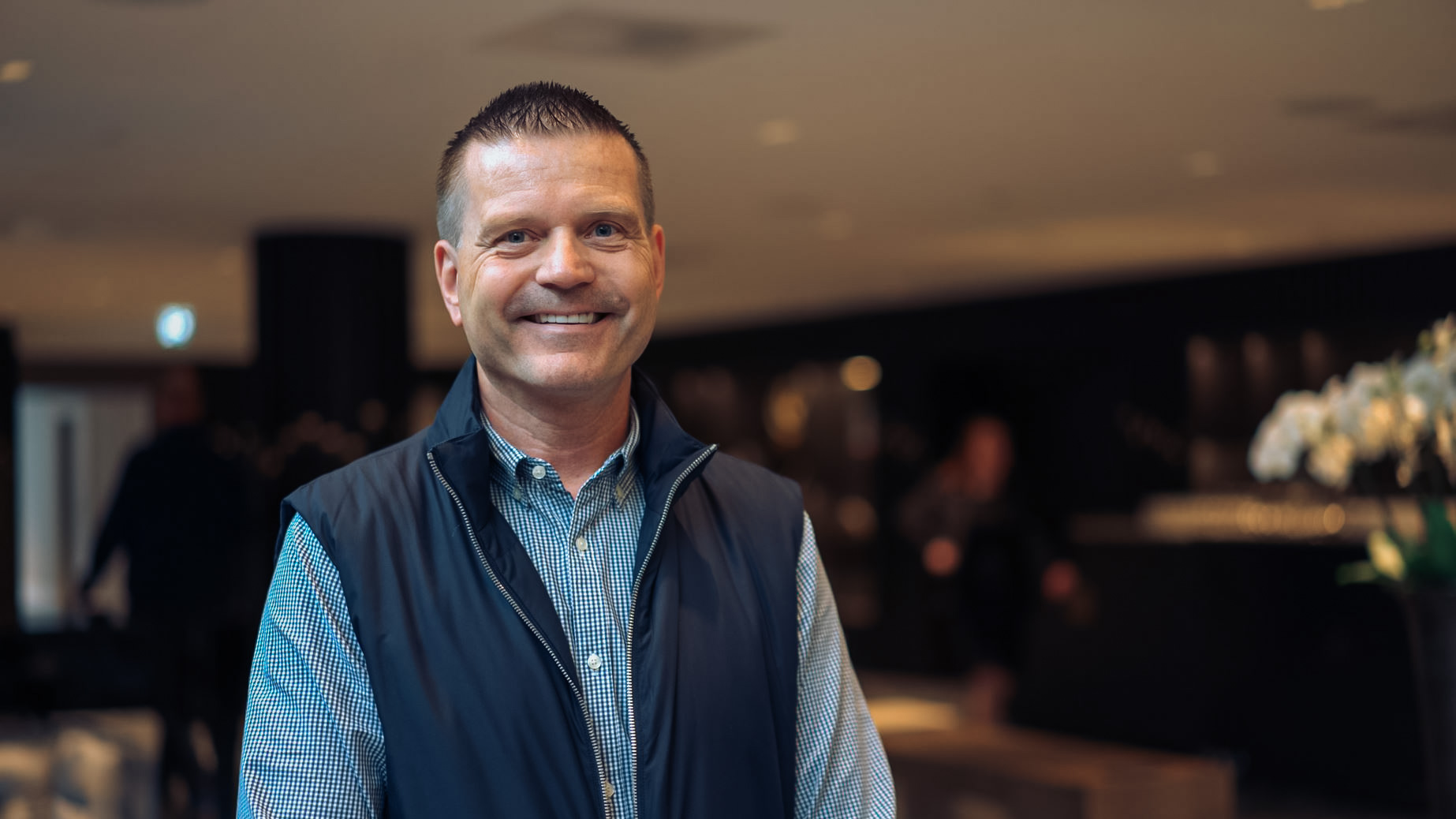
Terje Wibe, CEO of Mercell
Mercell operated a classic two-sided marketplace:
The platform had strong Nordic traction, but:
Marketplace dynamics leave limited margins for execution errors.
Mercell’s growth relied on three pillars: strengthening the management team, disciplined M&A execution, and pricing models based on genuine network effects.
Before accelerating growth, Mercell intentionally rebuilt its management team, establishing new senior leadership roles across key functions.
This expansion of leadership depth established the operational and organizational capacity necessary to scale effectively, both organically and through acquisitions.
Key insight: Growth doesn’t stall because of strategy; it stalls because leadership bandwidth becomes constrained.
Mercell’s M&A strategy was designed to support geographic expansion by establishing a leading position on both sides of the marketplace, buyers and suppliers, within each new country. In practice, this often meant securing dominance on one side first, then systematically building the other.
In Finland, the supplier market was not yet fully developed. The acquisition of Cloudia, therefore, gave Mercell a leading position on the buyer side, creating a strong foundation for subsequent organic growth in supplier participation and monetization.
Over a five-year period, Mercell:
Key insight: In marketplace businesses, balance matters more than volume. Growth on one side must enable, and be enabled by, growth on the other.
Completing 12 acquisitions in just over two years required discipline extending beyond deal execution. Mercell regarded integration as a core organizational capability rather than a post-transaction consideration.
Each acquisition followed a structured and repeatable integration sequence:
Although these processes required significant organizational effort, they were essential for maintaining operational stability, preserving strategic focus, and sustaining growth momentum.
Key insight: M&A success is determined after closing, not at signing.
Organic growth depended on continuously strengthening Mercell’s value proposition for both buyers and suppliers. Key elements included:
Viking Growth provided pricing expertise to Mercell, facilitating the translation of platform value into annual recurring revenue growth.
Key insight: Pricing power follows value, not the other way around.
Rapid expansion introduced significant operational and organizational strain:
Scaling a dual-sided marketplace at this pace required both organizational resilience and a high degree of internal trust to maintain momentum and execution quality.
Viking Growth acted as an active owner throughout the journey.
“Viking stands out through their unique combination of subject-matter strength, hands-on operational experience, and genuine human connection.”
— Terje Wibe, CEO, Mercell
During Viking Growth’s ownership period, Mercell:
Mercell didn’t scale by chasing growth on all fronts.
It scaled by:
In an in-depth interview, Mercell CEO Terje Wibe explains how they succeeded with its growth strategy and keeps tapping into new markets.

Kongens gate 8, 7011 Trondheim
© Viking Growth 2025


.jpg)
.png)

